
How Better Content Helps Nonprofits Grow Beyond Marketing
When nonprofits think about content, the conversation usually starts with marketing.
Social media. Fundraising videos. Photos. Brand stories. Campaigns.
All of those things matter a lot.
But content can do much more than help an organization get noticed.
The right content can help explain the mission, build trust, support fundraising, train teams, improve onboarding, create consistency and make growth easier to manage.
For nonprofits especially, the goal should not be to create content just for the sake of having something to post.
The goal should be to build content around the real problems the organization needs to solve, while making the most of the resources available at that stage of growth.
Start With the Story
Before people can support an organization, they need to understand why it exists.
That is where foundational brand content matters.
A strong mission film, founder story, photography library and clear visual identity can help people understand the organization faster and connect with the reason behind the work.
That foundation can support everything from a website and brochures to donor presentations, social media and community outreach.
The goal is not just to make the organization look professional.
It is to make the mission easier to understand.
For an early-stage nonprofit, that does not necessarily mean building a huge library of content all at once. It may simply mean identifying the few pieces that will make the biggest difference first.
Build Content Around Specific Problems
One of the biggest mistakes organizations can make is deciding they “need content” without first deciding what that content actually needs to accomplish.
Every piece should have a purpose.
A brand film may need to explain the mission.
A testimonial may need to build trust.
A fundraising video may need to help someone understand why financial support matters.
Photography may need to give a website, brochure or campaign consistent professional imagery.
A training video may need to prevent the same questions from being answered over and over again.
The right priority will look different for every organization.
When budgets are limited, the question becomes even more important:
What piece of content could solve the biggest problem or create the most value right now?
When content starts with the problem instead of the format, it becomes much more useful.
Use Real Stories as Proof
Organizations can say that their work makes a difference.
It is much more powerful when the people experiencing that work can explain the difference themselves.
Testimonials and impact stories can bring perspectives from participants, families, staff, volunteers, educators, community partners or other people directly involved with the mission.
Those voices create something that polished marketing language cannot replace: proof.
When people can hear what happened, what changed and why it mattered from someone who experienced it firsthand, the mission becomes much easier to understand.
Even one strong testimonial can often do more than a large amount of generic promotional content.
Give Fundraising Teams Better Tools
Fundraising often depends on the same conversations happening repeatedly.
What does the organization do?
Why does the work matter?
What problem is it solving?
Where does the money go?
What difference can a donation make?
A strong donor-focused video or VSL can help answer those questions consistently.
Instead of relying entirely on someone explaining the organization from scratch every time, leadership and fundraising teams have a professional asset they can use in emails, presentations, meetings and donor outreach.
The same piece of content can continue working long after the original production is finished.
For organizations deciding where to invest limited marketing dollars, a reusable fundraising asset can provide a lot of value because it can support many conversations instead of only one campaign.
Build Training and Onboarding Content Early When It Makes Sense
Not every organization has the budget to build every resource at the beginning, and that is okay.
The goal is not to create everything at once.
It is to identify the areas where a relatively small investment can reduce the most friction, save the most time or create the most consistency.
That might mean a simple onboarding video, a short training guide, a repeatable photography standard or a resource that answers the same questions leadership is being asked over and over again.
Even one or two well-chosen pieces can make a meaningful difference.
As the organization grows, those early resources can be expanded into more complete training systems, virtual shadowing experiences and standardized materials for teams in other locations.
The important thing is to invest in the pieces that will provide the biggest return for the organization at that stage of growth.
Think About Internal and External Content Together
Marketing content is primarily external.
It helps donors, volunteers, partners and the public understand the organization.
Training and onboarding content is primarily internal.
It helps the organization operate more consistently and gives the people involved the information they need to succeed.
Both matter, but they do not always need to be built at the same time.
An early-stage organization may need to focus heavily on awareness and fundraising first.
Another organization may already have strong visibility but be struggling with onboarding or consistency.
The right mix depends on where the pressure is coming from.
The goal is not to check every box.
It is to identify what is creating the biggest barrier to growth and build the right tool for that problem.
Build a Content Library, Not a Collection of Random Campaigns
One of the biggest advantages of a long-term content strategy is that every project can build on the one before it.
Instead of producing isolated videos and photos that have no relationship to each other, the organization gradually creates a library of useful assets.
That library might eventually include:
brand photography
mission films
founder stories
donor videos
testimonials
social content
team photography
onboarding materials
training videos
educational resources
internal process content
That does not mean all of those things need to happen at once.
The library can grow alongside the organization.
Over time, those pieces become a system.
The organization no longer has to start from zero every time it needs to communicate something.
A Long-Term Example: You’re Not Alone;
Gregg Media has worked with You’re Not Alone; since the organization’s earliest stages.
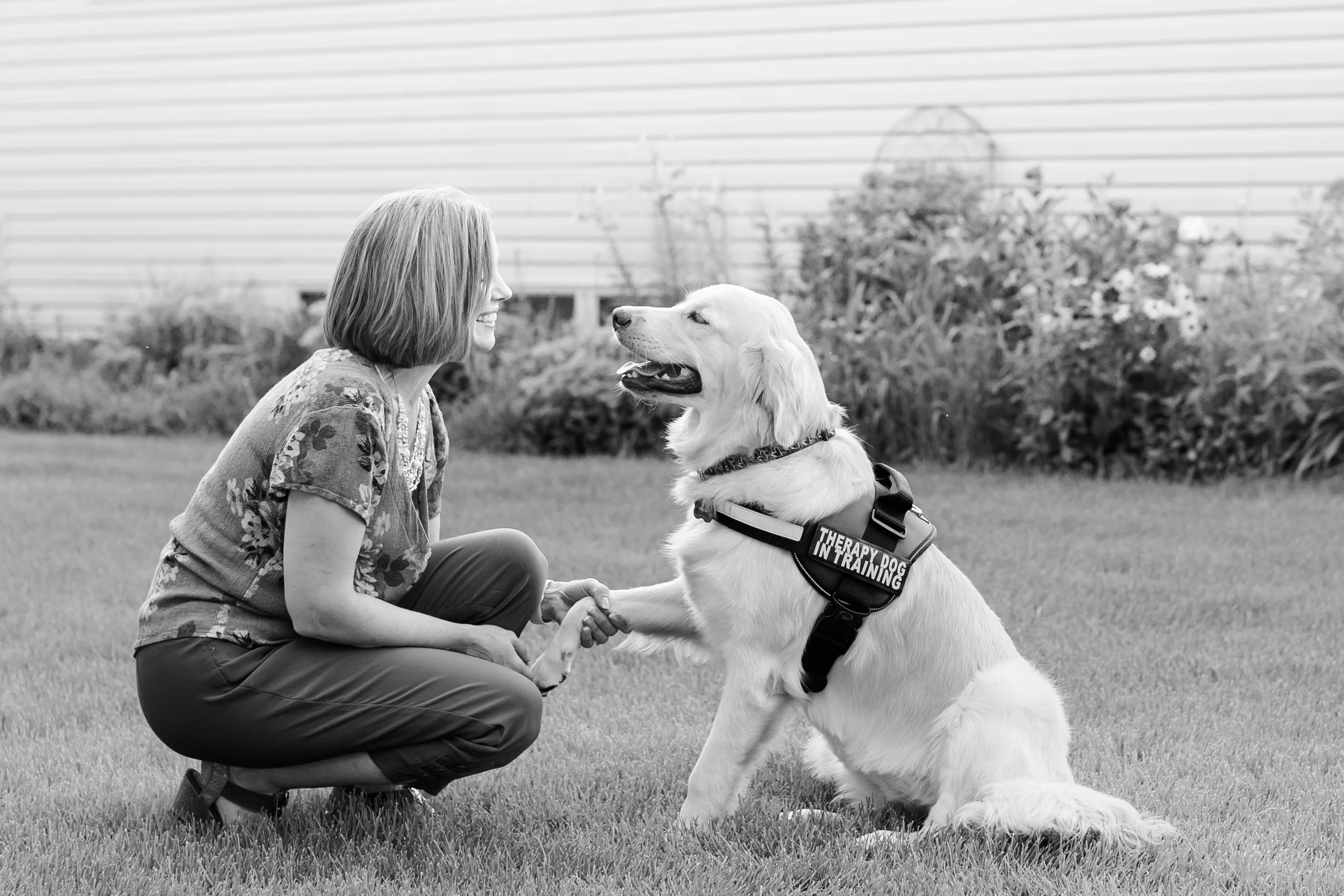
The relationship began with foundational brand photography of founder Amy and therapy dog Willow, creating imagery that could support the website, brochures, print materials and early marketing.
From there, the work expanded as new needs emerged.
We created a mission-driven brand story film explaining the personal experience that led to the organization.
We developed testimonial and impact content featuring students, school leadership, therapy dog teams and professionals who could speak directly to the effect the program was having.
We created team photography and individual therapy dog portraits for online profiles and printed trading cards used in schools.
We also produced a donor-focused VSL that became a key fundraising tool for email outreach, presentations and donor conversations.
As the organization continued to grow, its content needs evolved with it.
What began with one founder and an emerging mission has grown into more than 80 therapy dog teams, serving schools across Minnesota and expanding into states as far away as the East Coast and Texas.
That kind of growth changes what content needs to do.
At first, the organization needed help telling the story and building foundational marketing materials.
As it grew, new priorities appeared: fundraising tools, proof of impact, consistent team imagery and resources that could support a much larger network of people.
The next stage includes training and onboarding content designed to help teams learn more consistently when they are too far away to shadow another team in person.
The content has grown alongside the organization because the needs have grown alongside the organization.
See the full You’re Not Alone; case study
Growth Changes What Content Needs to Do
The content an organization needs today may not be the content it needs two years from now.
Early on, the priority may be explaining the mission and building credibility.
Then the biggest opportunity may be fundraising.
Later, it may be onboarding, training, consistency or supporting people across multiple locations.
There is no perfect order that every nonprofit needs to follow.
Budgets, teams, missions and challenges are different.
The important thing is to understand where content can create the most leverage right now.
Sometimes that means a professionally produced brand film.
Sometimes it means a donor VSL that can be used repeatedly.
Sometimes it is a set of strong photographs that finally gives the organization enough imagery for the website, brochures and social media.
Sometimes it is a simple training resource that saves leadership hours every month.
The strongest content strategies are not built around constantly asking:
What should we post next?
They are built around a better question:
What problem does the organization need to solve next, and what content could help solve it?
When content is built around that question, it becomes more than marketing.
It becomes one of the tools an organization can use to grow.
NOT SURE WHAT CONTENT YOUR ORGANIZATION NEEDS NEXT?
Gregg Media helps nonprofits and organizations identify the content that can create the most value at their current stage of growth — from brand films and fundraising content to photography, testimonials, training resources and ongoing campaign support.