
When FPV Actually Makes a Commercial Campaign Better
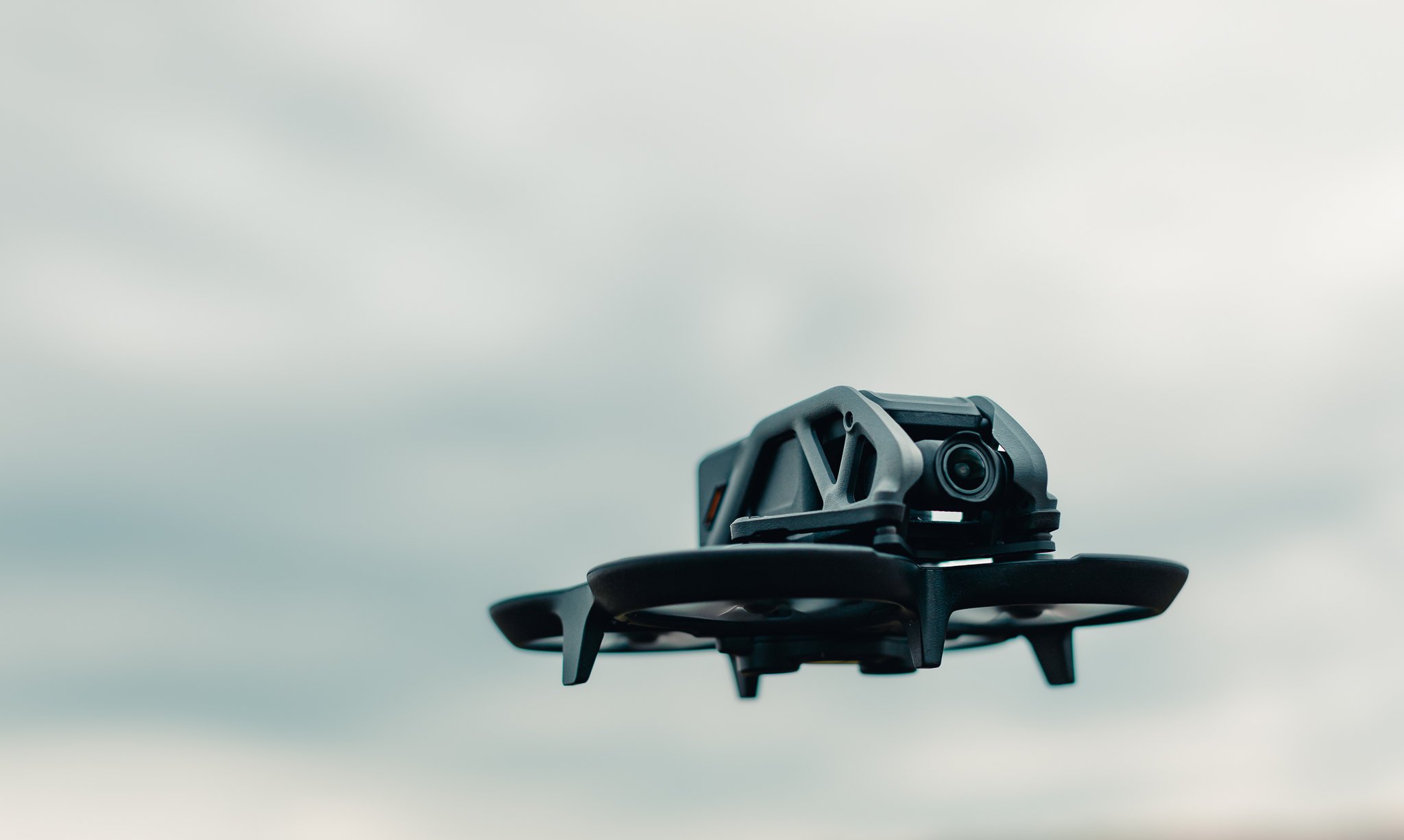
FPV can create some of the most memorable shots in a commercial production.
It can chase a vehicle through a trail, move through a facility, follow an athlete, dive into an environment or connect multiple spaces in one continuous shot.
But that doesn't mean every campaign needs it.
A technically impressive FPV shot can still be the wrong creative choice if it doesn't help the audience understand the product, experience the environment or feel something the campaign needs them to feel.
The strongest FPV work starts with a reason for the camera to move.
Use FPV when movement is part of the story
FPV becomes especially powerful when the subject itself is defined by movement.
Vehicles are a perfect example.
A static shot can show someone what a vehicle looks like.
Traditional aerials can establish the landscape.
But FPV can move with the vehicle—following it through terrain, accelerating beside it or transitioning around obstacles in ways that make the viewer experience the movement rather than simply observe it.
The same idea applies to powersports, outdoor recreation, athletes and other action-driven campaigns.
When motion is part of what makes the product exciting, FPV can help translate that feeling to the audience.
Use FPV when the environment needs to be understood
Sometimes the product isn't the most important thing to reveal.
The environment is.
A business may need people to understand the scale of its facility.
A resort may need viewers to see how different spaces connect.
A manufacturer may want to take someone from the entrance through the production floor without cutting between a dozen disconnected shots.
FPV can make those environments easier to understand because the viewer travels through them continuously.
Instead of showing a collection of rooms, buildings or locations, the camera creates a journey between them.
That's where an immersive fly-through can become more than a visual trick.
It can actually communicate how a place works.
Use FPV when one shot can create continuity
Commercial edits are often built from multiple perspectives.
Wide shot.
Detail.
Aerial.
Product.
Talent.
Another angle.
There's nothing wrong with that.
But sometimes a continuous camera move can create a sense of flow that cuts can't.
An FPV flight might begin outside a building, travel through an entrance, move past the people doing the work and finish by revealing the scale of the operation.
Or it might begin behind a vehicle, follow it through a trail and rise into an aerial reveal of the destination.
That continuity can make the audience feel like they're discovering the story rather than watching a sequence of disconnected images.
Use FPV when perspective creates the emotion
Sometimes the value isn't the subject itself.
It's where the audience gets to experience it from.
Flying directly behind a sled-dog team feels different from seeing it from above.
Following a UTV through the woods feels different from watching it pass a stationary camera.
Moving through an active workspace feels different from a traditional establishing shot.
FPV can put the viewer somewhere they couldn't realistically stand.
That perspective can make an environment feel faster, larger, tighter, more energetic or more immersive.
When the perspective changes the emotional experience of the scene, FPV may be the right tool.
Don't use FPV just because you can
This is probably the most important part.
FPV attracts attention because the movement can be dramatic.
That also makes it easy to overuse.
If every shot dives, rolls, accelerates or threads through something, the movement stops meaning anything.
Sometimes the campaign needs restraint.
A founder talking directly to camera may carry more weight than an elaborate fly-through.
A locked-off product shot may communicate craftsmanship better than a high-speed pass.
A traditional drone may give the audience the scale they need without distracting from the subject.
The best production isn't the one with the most complicated shots. It's the one where every shot has a job.
FPV works best as part of a larger camera system
We rarely think about FPV in isolation.
On a commercial production, it may work alongside:
Ground cinematography
Traditional aerial drone
Handheld or gimbal movement
Long-lens tracking
Photography
Interviews or documentary coverage
Each perspective communicates something different.
Traditional drone may establish scale.
Ground cameras may create intimacy.
Photography may capture details that need to live across web and paid media.
FPV may create the movement connecting everything together.
The strength comes from choosing the right perspective at the right moment.
Think about the campaign, not just the hero shot
A strong FPV sequence shouldn't only look great in the main film.
We also think about how the production can support the larger campaign.
Can the flight create vertical social edits?
Can a reveal become paid creative?
Can shorter sections work as website assets?
Can we capture alternate orientations or supporting footage around the same sequence?
The more intentionally a production is planned, the more useful that investment becomes.
One great flight can support more than one deliverable when the campaign is designed that way from the beginning.
So when should a brand use FPV?
FPV is worth considering when it helps:
Make movement feel more immersive
Show how a space connects
Reveal scale or geography
Track fast-moving subjects
Put the viewer inside an experience
Create continuity between environments
Give the campaign a perspective conventional cameras can't
But the answer should never begin with:
“FPV would look cool here.”
It should begin with:
“What does this shot need to make the audience understand or feel?”
If FPV is the strongest answer, then we use it.
Planning a campaign where movement matters?
Gregg Media Outdoors combines strategy, creative direction, commercial cinematography, photography, traditional drone and FPV to build productions around what the campaign needs to accomplish.
Sometimes that means an immersive FPV sequence.
Sometimes it means a completely different tool.
The goal determines the camera.